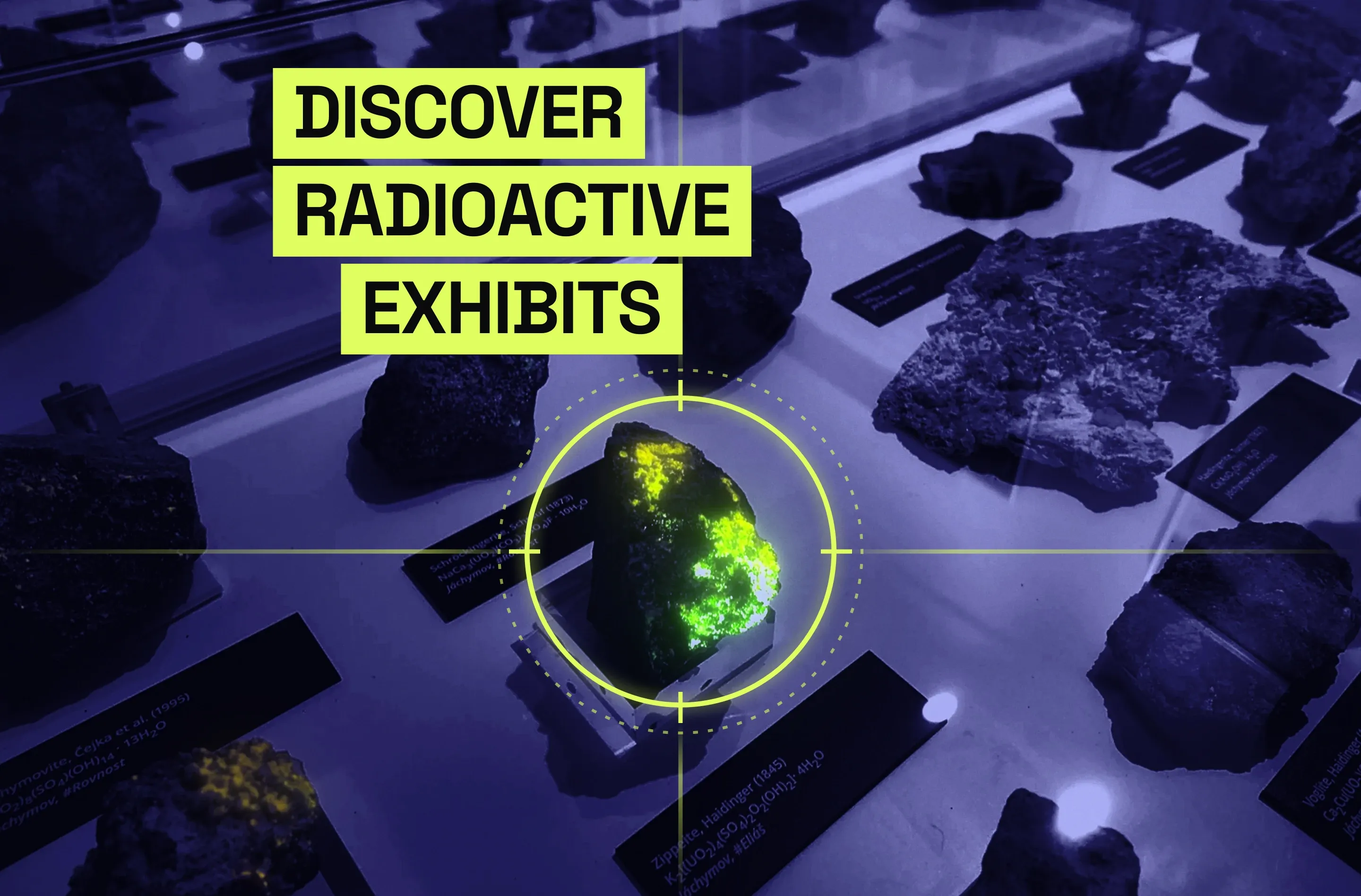
A mineral specimen, a glass vase or an old aircraft instrument may emit radiation you cannot see or feel. Detecting it can reveal something about the materials an object contains, how it was made and the purpose it once served.
Looking for somewhere to take your Radiacode? Start with a museum. Here are the collections worth exploring — and where to find discoveries already shared by other users.
Why are some museum objects radioactive?
Radioactive materials occur naturally, and people have also used them in manufactured products.
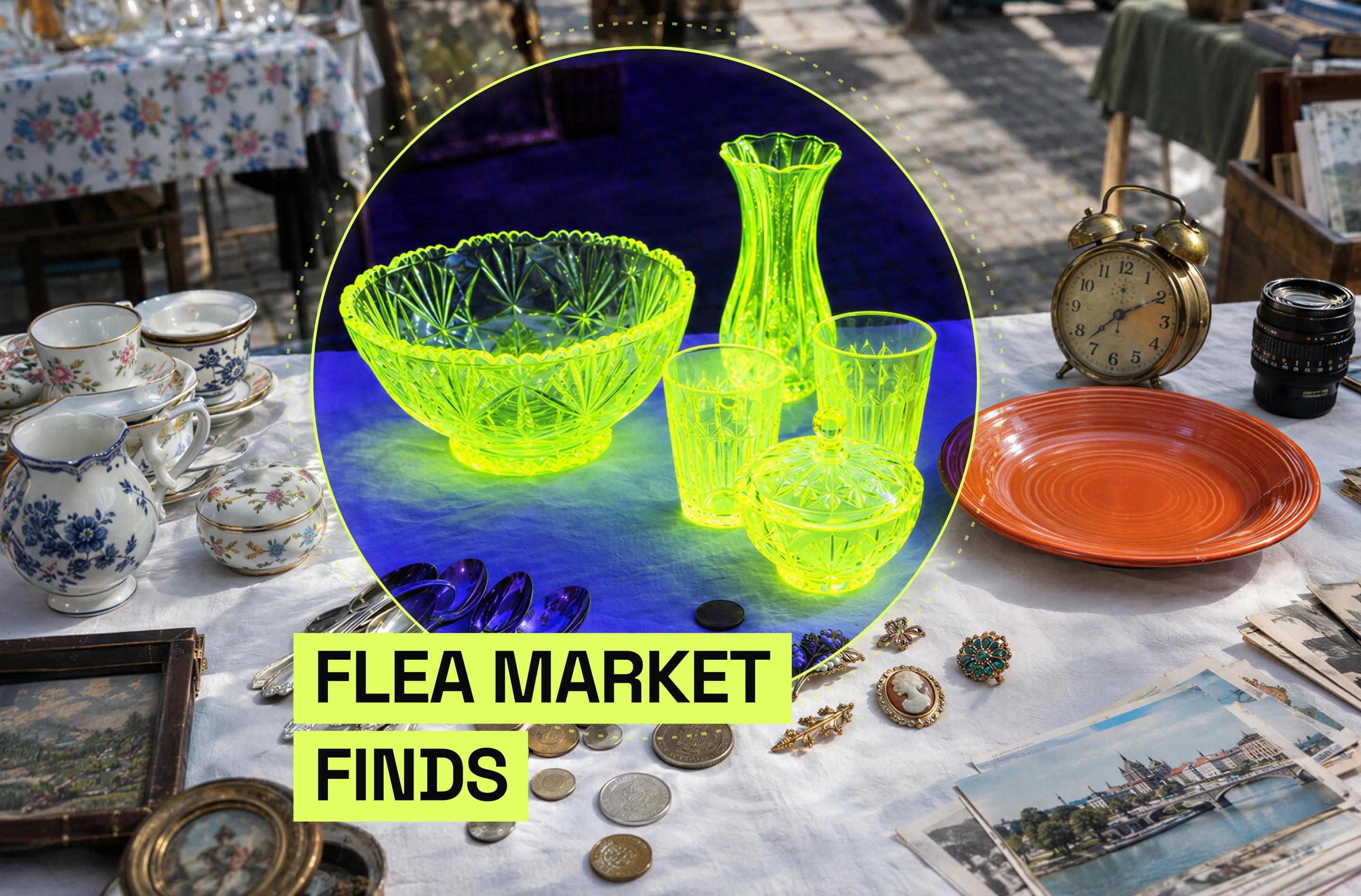
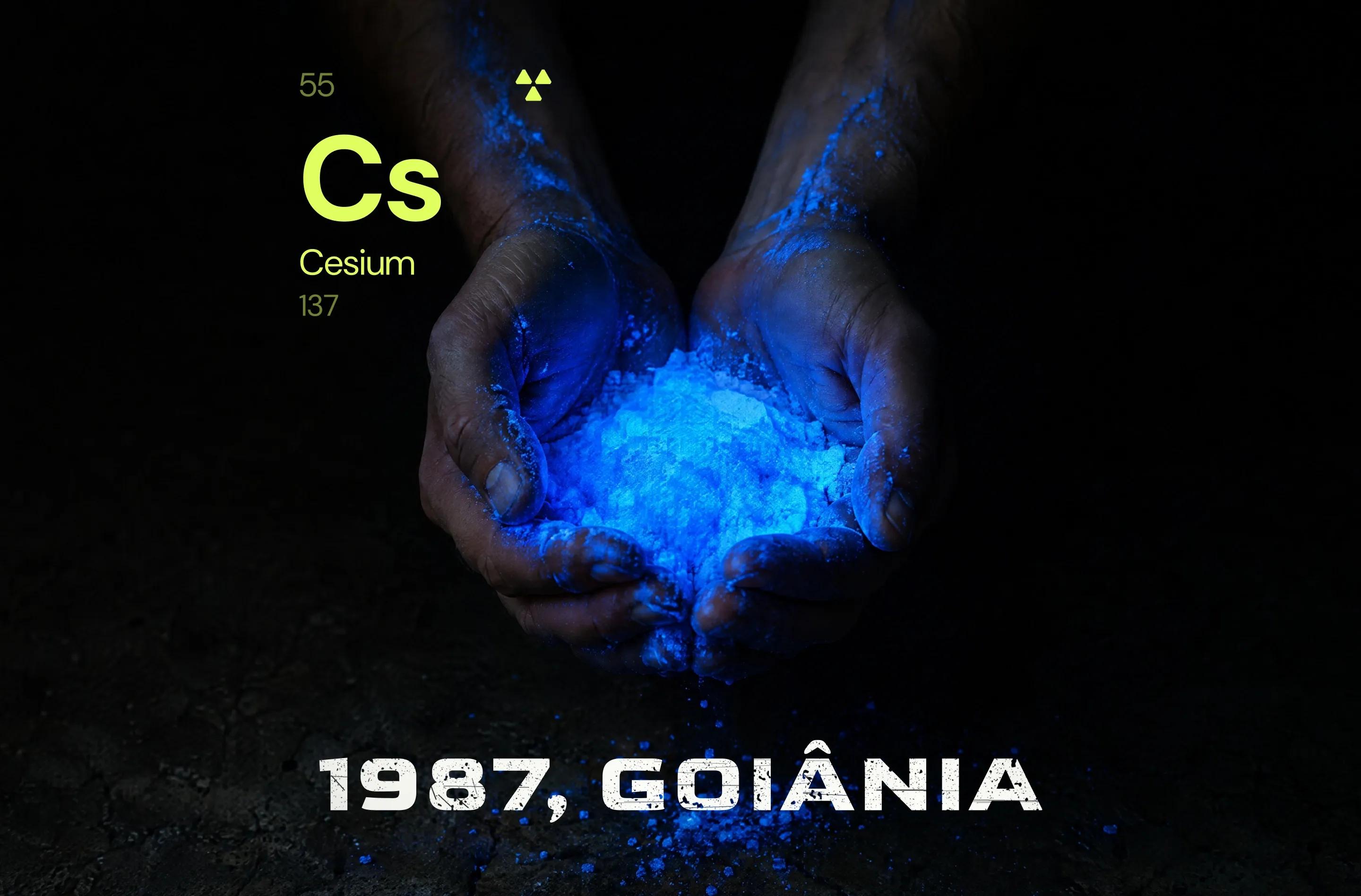
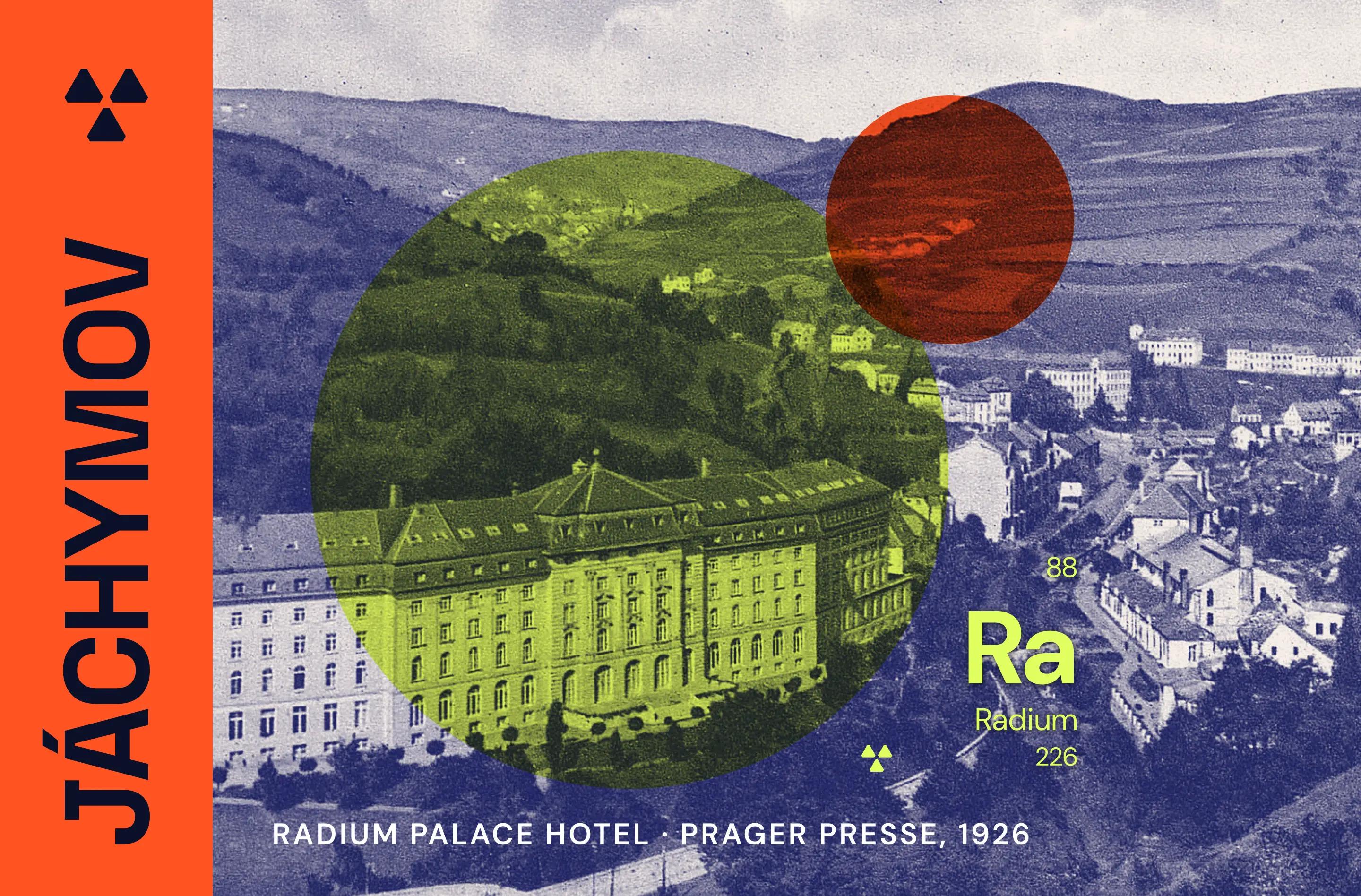
Uranium and thorium are present in certain minerals. Uranium compounds were used to colour glass and ceramic glazes. Radium was added to luminous paint so that instrument markings could be read in the dark. Certain aircraft components were made using thorium-containing alloys.
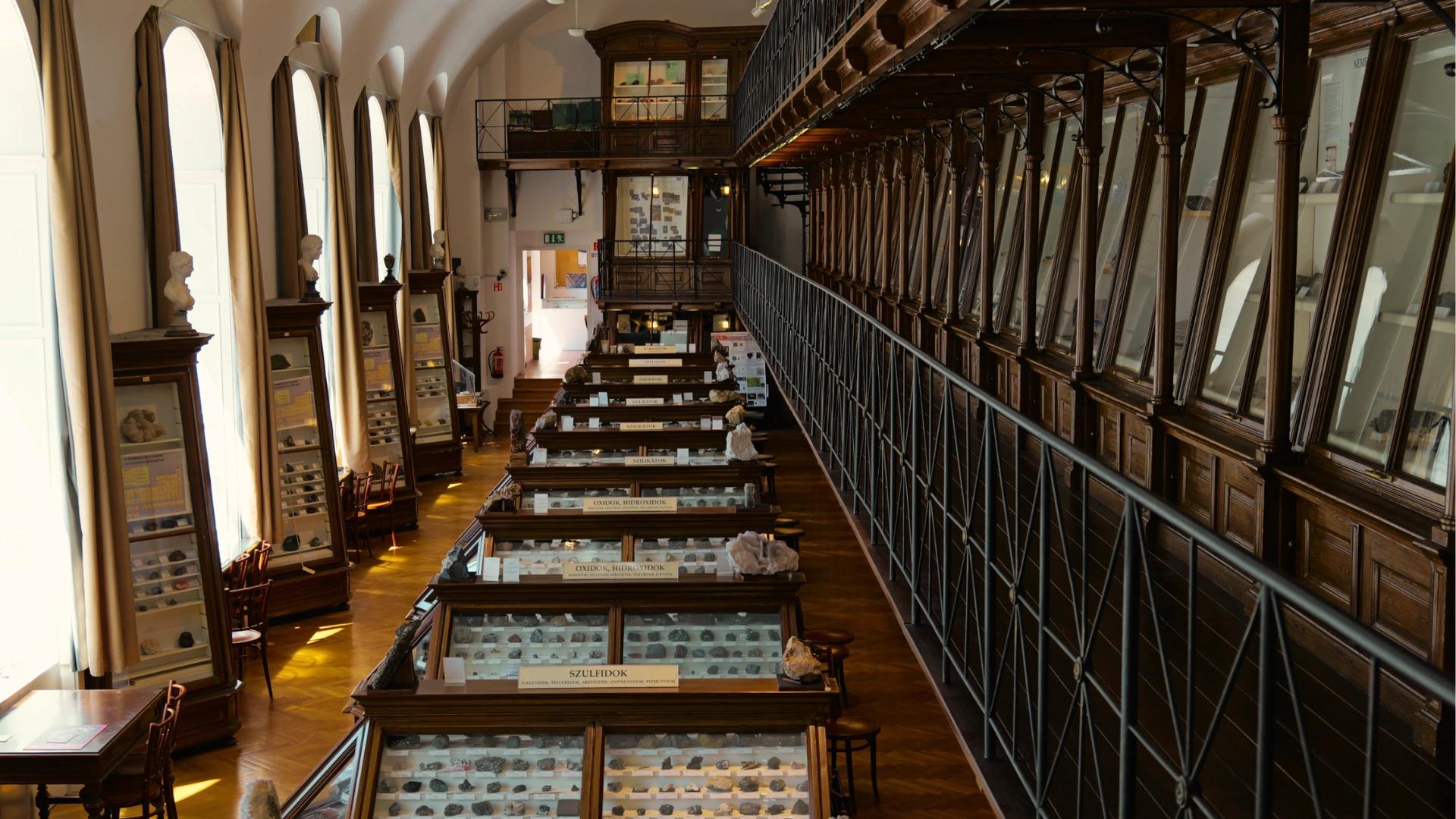
ELTE Museum of Minerals (Budapest, Hungary)
Museums bring these materials together, often in collections you would not immediately associate with radiation.
Museum type | Objects worth investigating |
|---|---|
Mineralogy and natural history | Uranium minerals such as uraninite and autunite, and thorium-bearing minerals such as monazite |
Aviation | Historical cockpit instruments with radium luminous paint and certain components made from thorium-containing alloys |
Military and maritime history | Compasses, navigation instruments, gauges and other equipment with radium-painted markings |
Medical and scientific history | Historical radioactive consumer products and objects associated with radiation research |
These are possibilities to investigate. Not every old clock contains radium, and not every aircraft engine contains thorium.
Some objects also offer surprising lessons. Radium luminous paint can stop glowing while remaining radioactive. A product with “radioactive” on its label may contain very little radioactive material — or may simply have used the word for marketing.
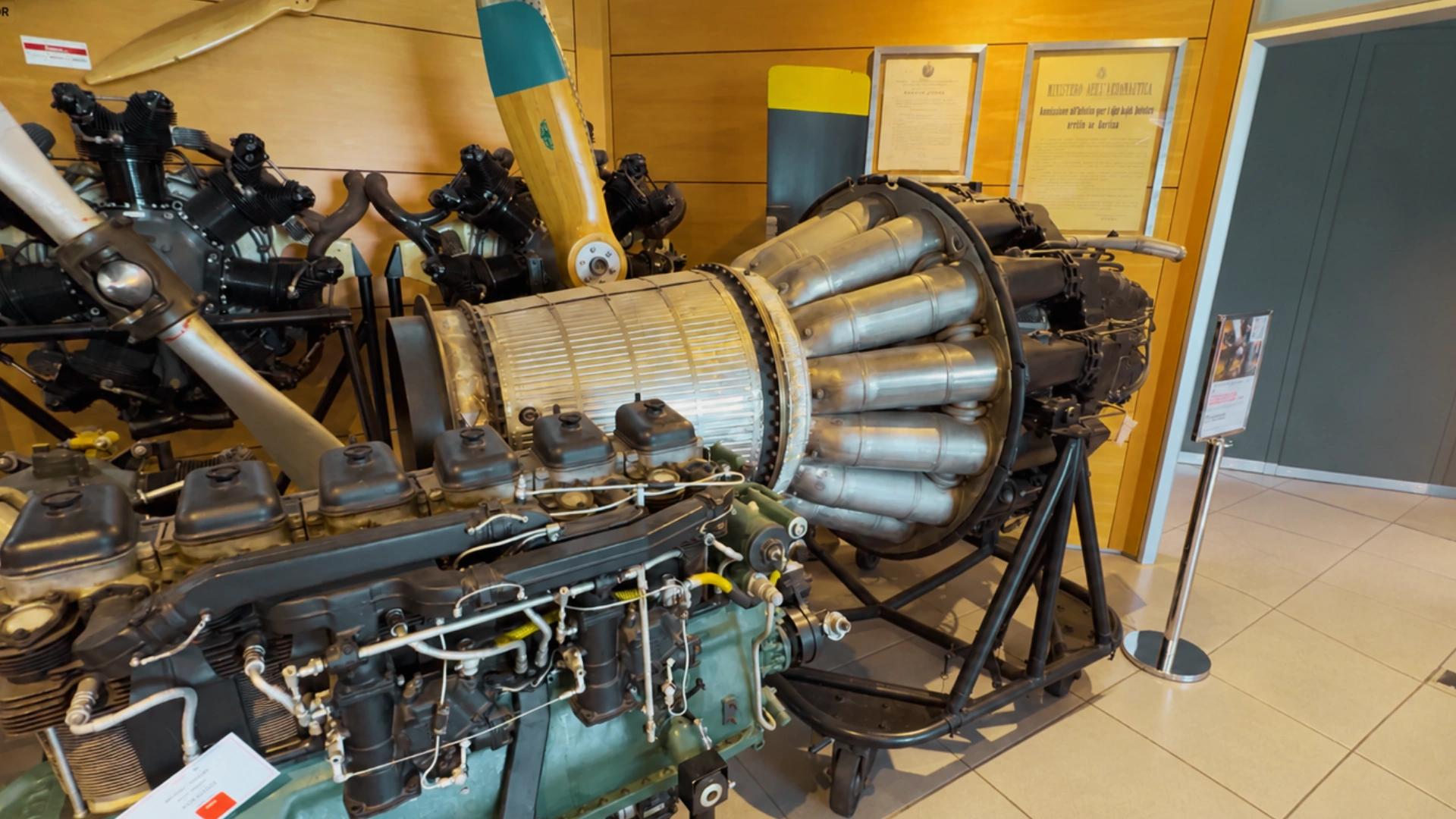
A turbojet engine at Museo Nicolis (Verona, Italy)
That is what makes measuring interesting: you can compare the story on the label with evidence of your own.
Find a museum to explore
Mineral collections are a good starting point because labels often identify the specimens and their origins. Historical transport, glass and everyday-life collections offer other possibilities.
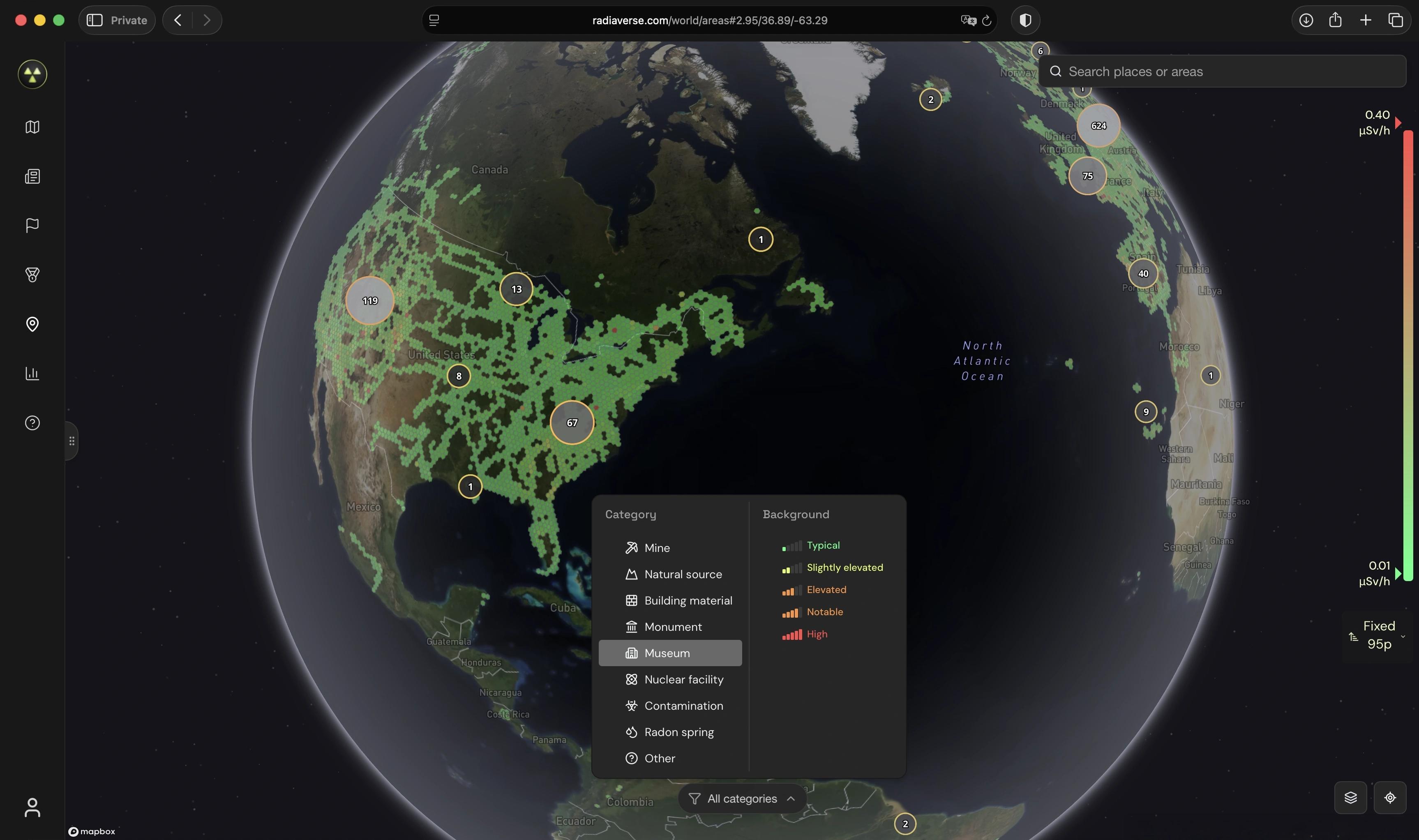
Want a starting point? Explore the Radiaverse map and use the museum filter to see where other users have already found radioactive exhibits. Pick a location, browse their findings and plan your own visit.
What to bring
- Your Radiacode: ready to explore the collection.
- A phone: for using the Radiacode app and photographing exhibits and labels where permitted.
- An optional UV flashlight: for discovering fluorescence in glass and some minerals.
Keep equipment clear of exhibits, stay behind barriers and follow staff instructions. Use UV only with permission, and never direct it at people.
Tips and tricks for finding radioactive exhibits
1. Use Search mode
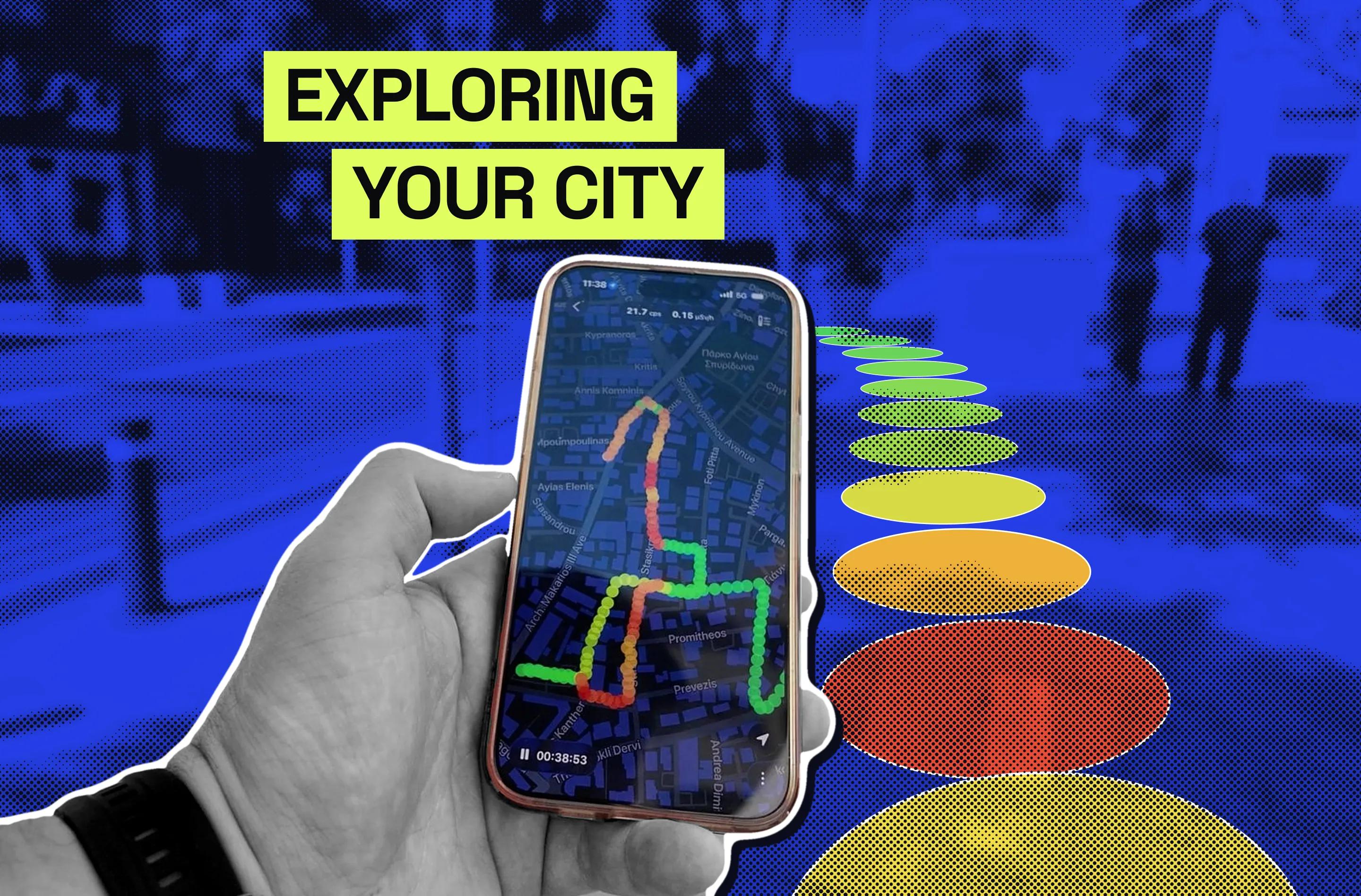
Get a feel for the background in each gallery, then move slowly past displays using Search mode and CPM (counts per minute). If readings rise, pause, move away and approach again to check whether the change repeats.
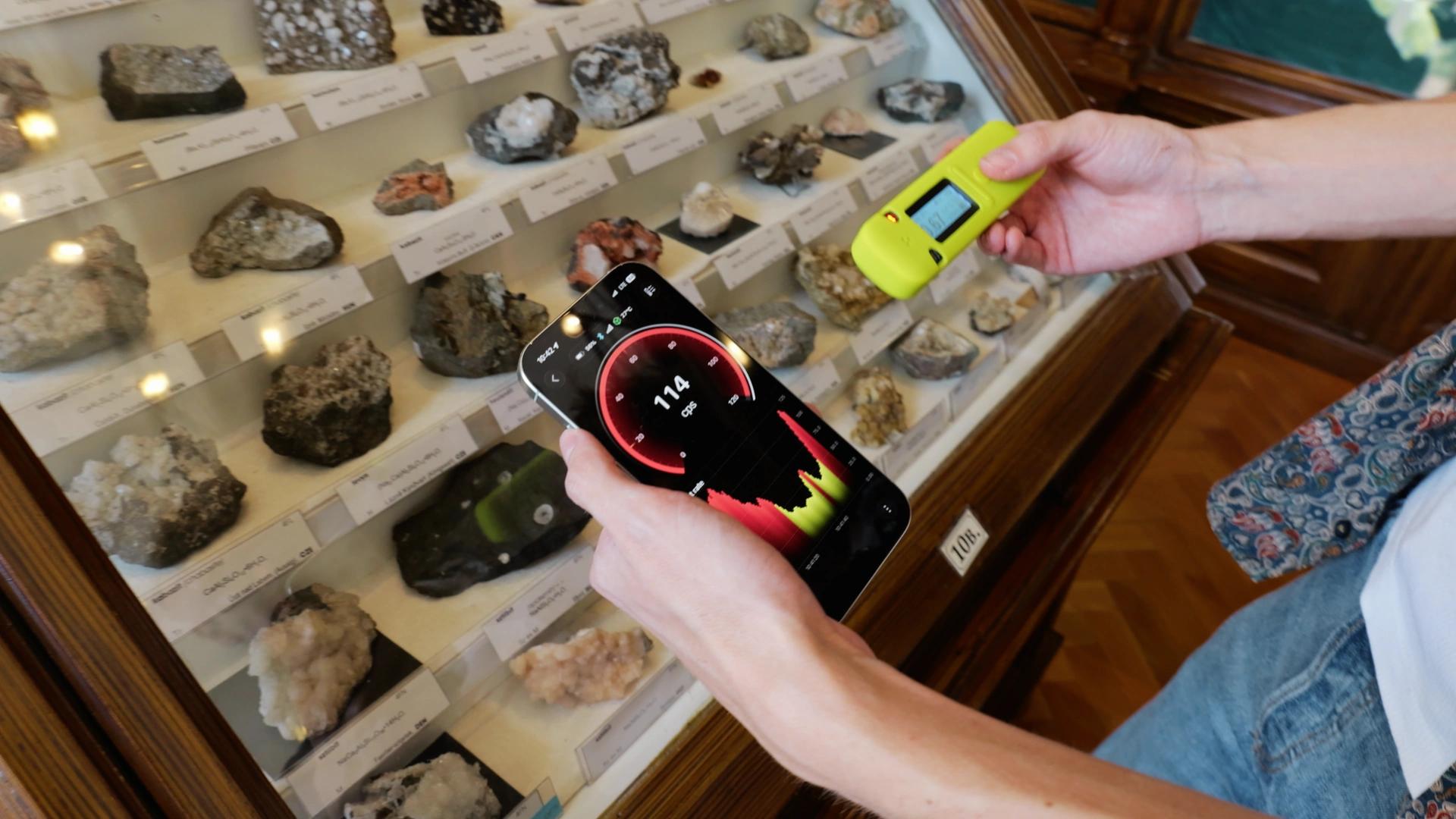
Using Search Mode in Radiacode app
2. Read the label
Look for clues in the object’s materials, age and use. Mineral names, luminous markings or glass colourants may explain the signal. Check nearby objects too — they can contribute to the reading.
3. Use a UV flashlight to see more
Some uranium glass fluoresces a characteristic green under UV light. Certain minerals can also fluoresce, making a UV flashlight an interesting companion to your Radiacode.
Fluorescence does not measure radioactivity, and glow brightness does not tell you the radiation level.
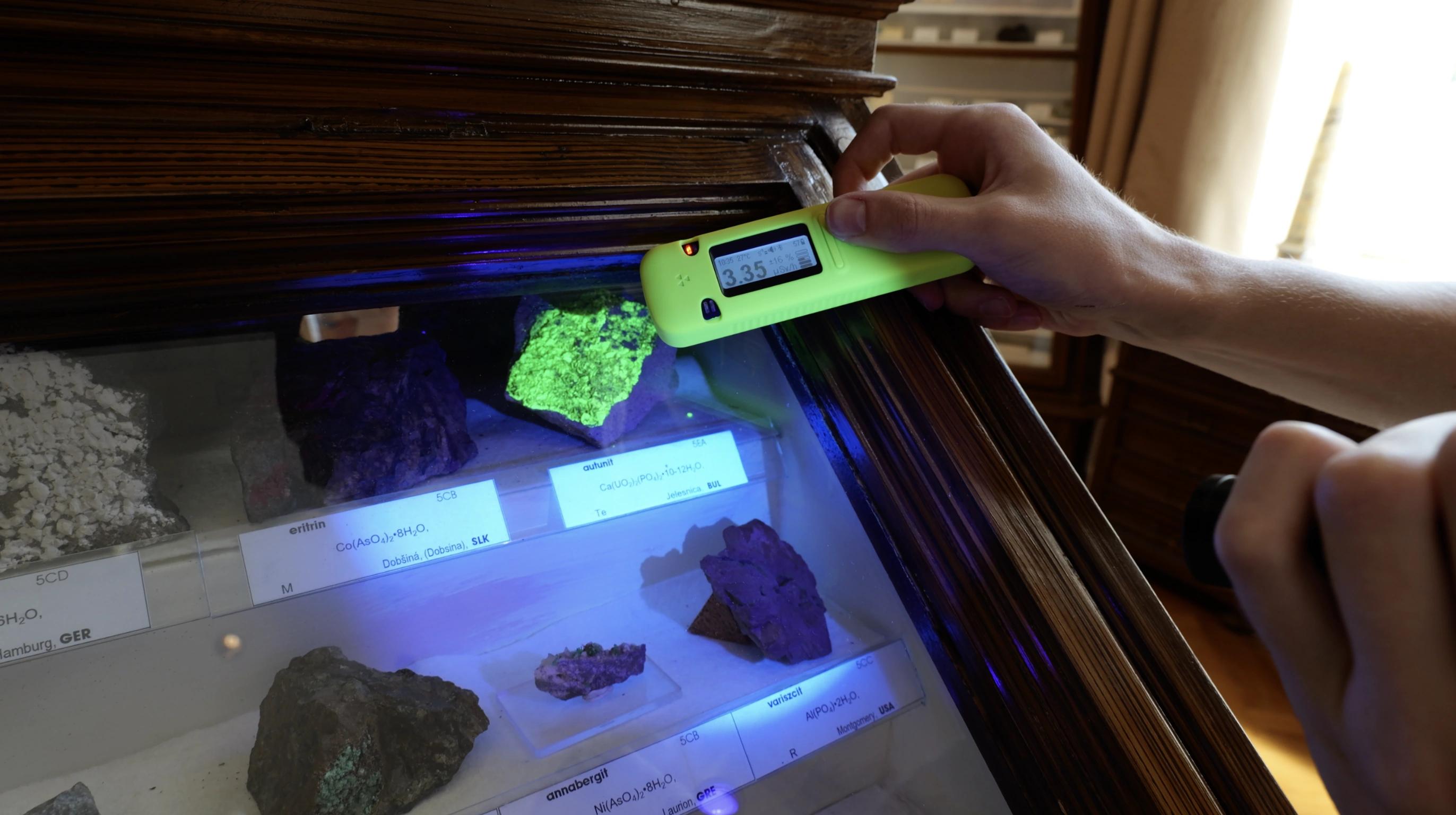
Investigating Autunite with Radiacode and uv-light
From detecting radiation to understanding it
Radiacode’s spectrometer models help you investigate what is producing a signal. Unlike a Geiger counter, they record gamma spectra, letting you explore which isotopes may be present through the connected app.
A spectrum can help connect your discovery with the exhibit’s materials and history. For instructions on Search mode and collecting spectra, see the Radiacode user guides.
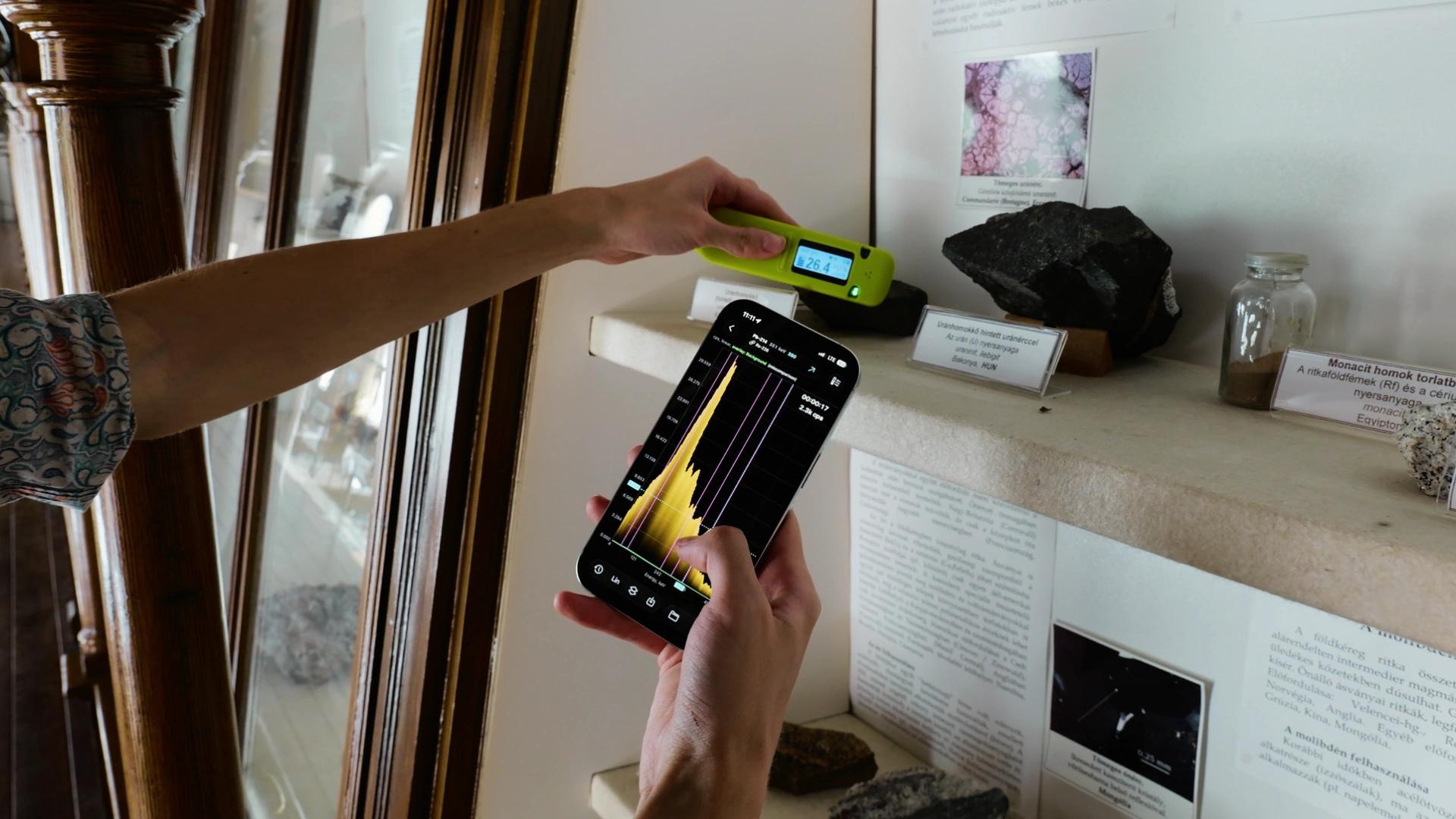
Spectrum Mode in Radiacode app
Take your curiosity further
Want to explore the history of radiation detection itself? The Nuclear Museum of ÚJV Řež, at a nuclear research site near Prague, brings together historical radiation detectors and dosimeters alongside unusual radioactive objects — from tableware and toothpaste to home radon baths.
Share your discoveries
Found something interesting? Add it to Radiaverse with photos, your measurements and a few words about the exhibit. If you collected a spectrum, share it too so others can help interpret the result.
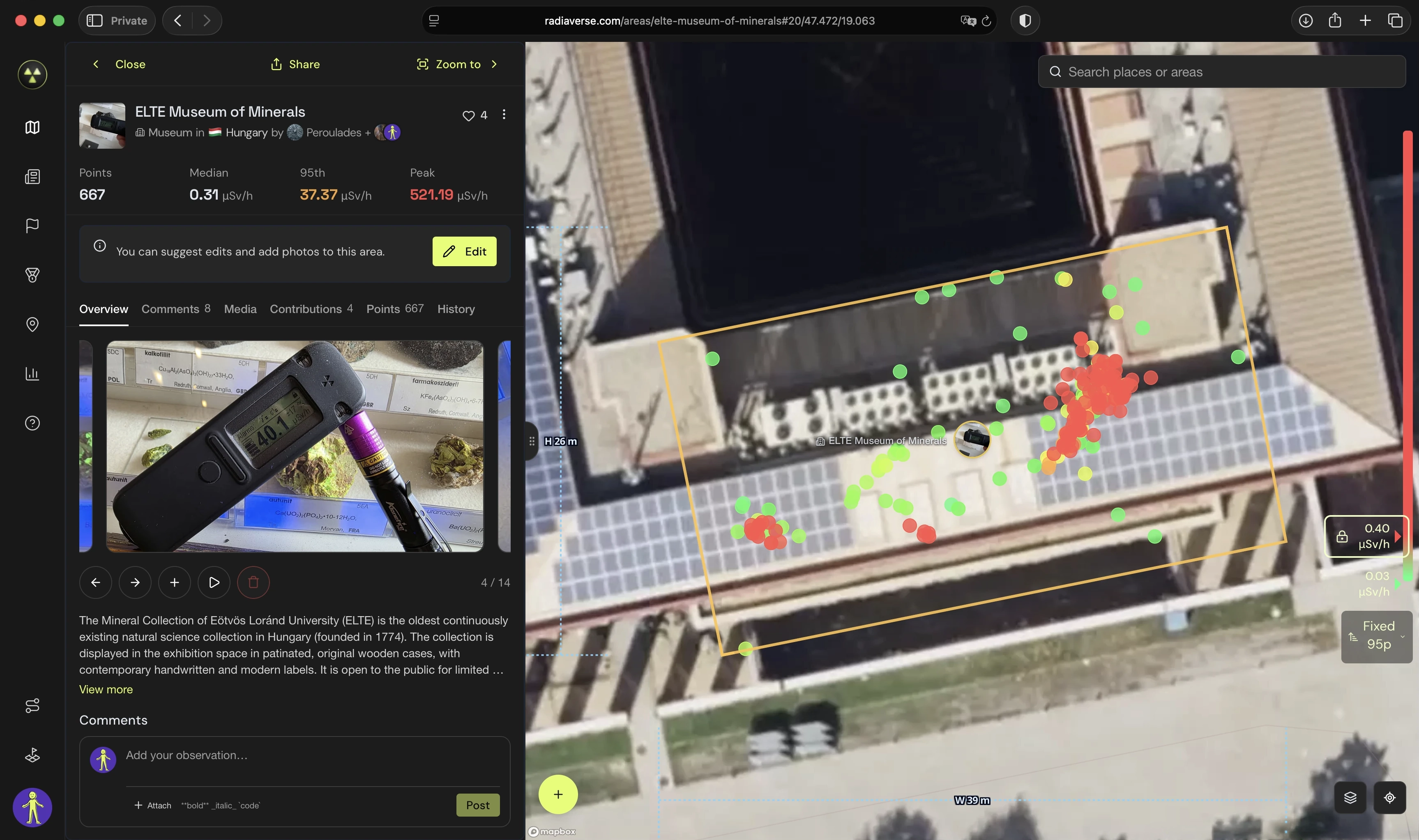
Share your find with friends or post it on social media — your discovery could inspire someone else’s next museum visit.